Challenges of Traditional Methods:
- Limited Coverage – Ground surveys only cover small areas and take long time.
- Inaccessible Terrain – Wetlands, deserts, forests, and mountainous regions are difficult to survey manually.
- Data Latency – Environmental reports often take months to compile, making interventions reactive instead of proactive.
- Regulatory & Compliance Pressure – Governments and industries face requirements to provide frequent, accurate environmental reports.
- High Human Resource Demand – Large field teams are needed for sampling and surveys, leading to inconsistent data quality.
With drone technology:
- Visual Pollution Detection & Monitoring – Mapping of illegal billboards, abandoned vehicles, unplanned structures or dumpsites.
- Deforestation & Land Use Change – High-resolution land cover maps, tracks deforestation, illegal logging, and supports carbon offset programs.
- Disaster & Environmental Risk Assessment – Flood mapping, landslide risk models and wildfire hotspot detection.
- Vegetation Health & Carbon Sequestration – Leveraging Multispectral sensors, NDVI, NDRE, and canopy height models assess forest health and measure carbon sequestration capacity.
- Soil Erosion & Desertification Monitoring – Obtain soil moisture maps, erosion risk models, guiding reforestation and land restoration programs.
- Coastline & Wetland Monitoring – Generating high-resolution elevation models, shoreline erosion maps.
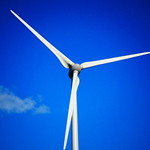
- Renewable Energy Environmental Impact Studies – Habitat and land-use impact assessments for wind/solar farm siting, ensuring sustainable project planning aligned with SDGs.







Social List